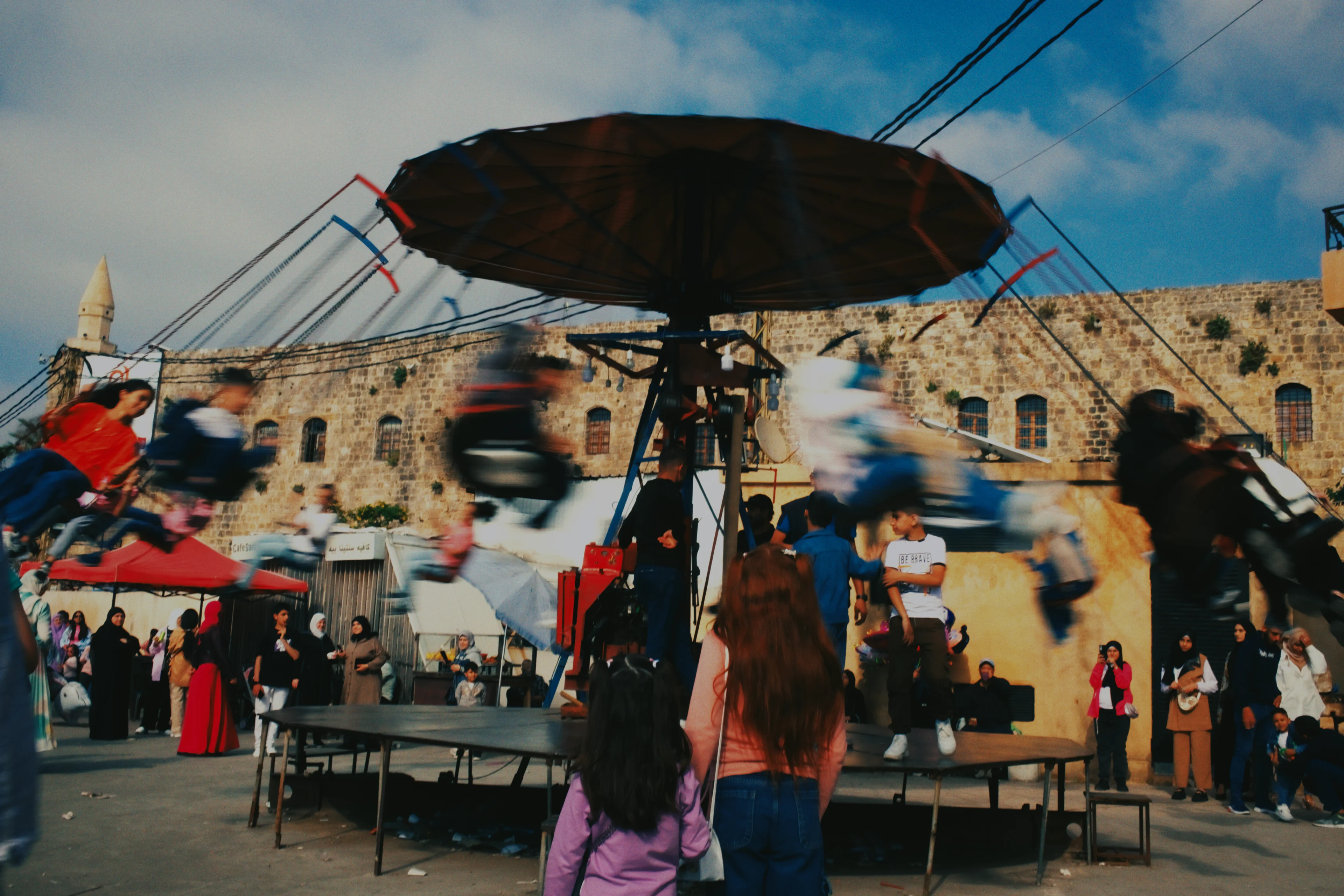
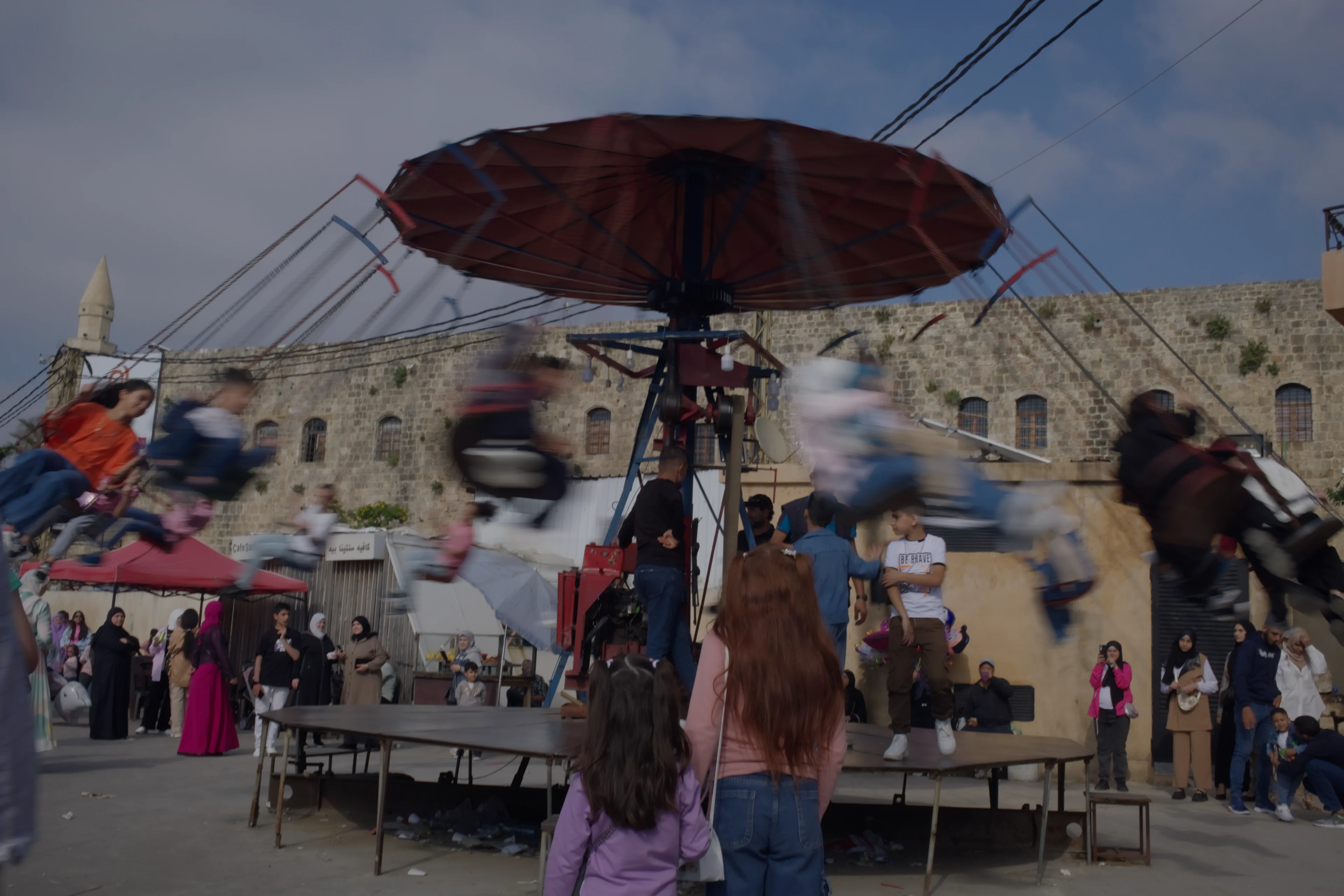
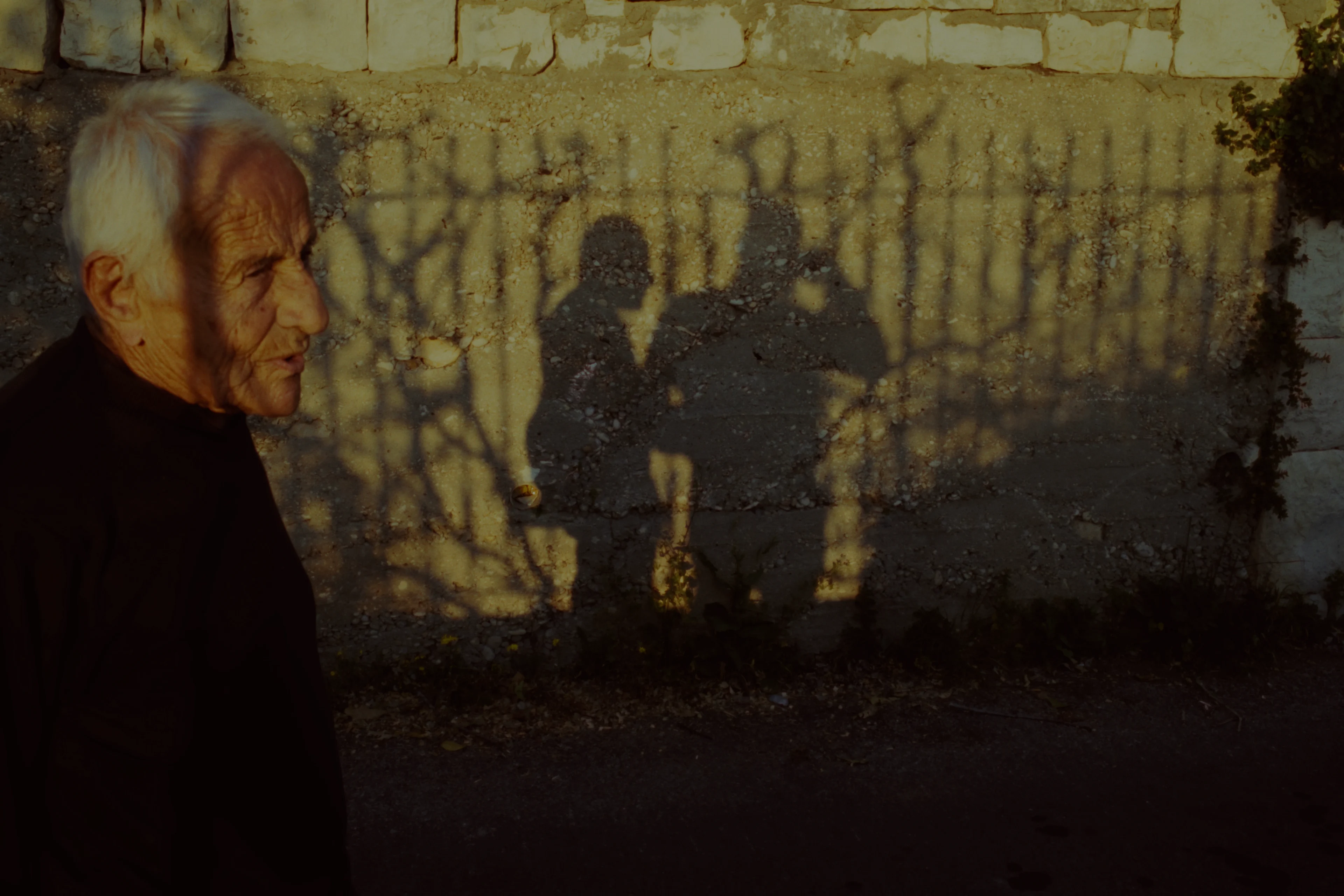
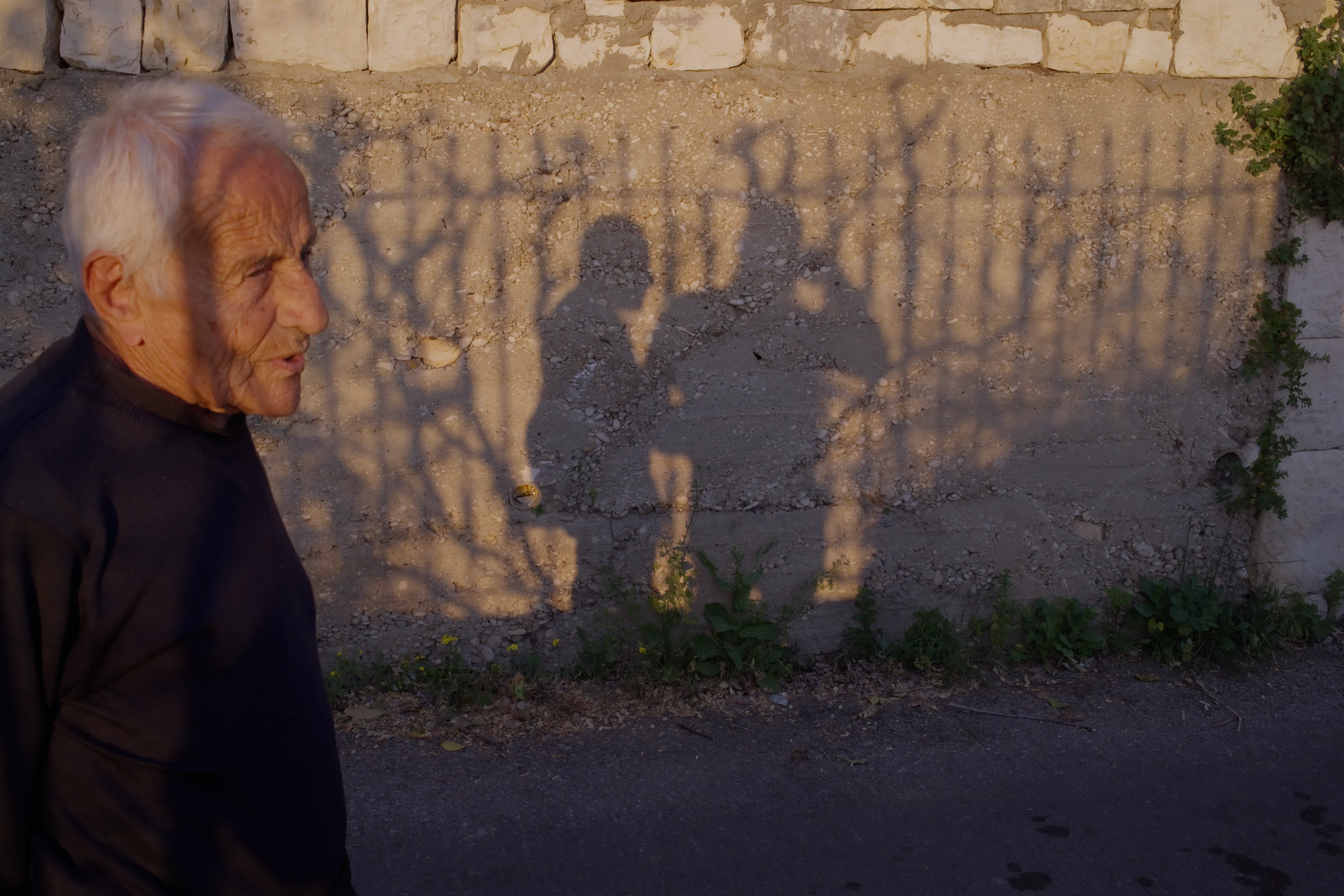
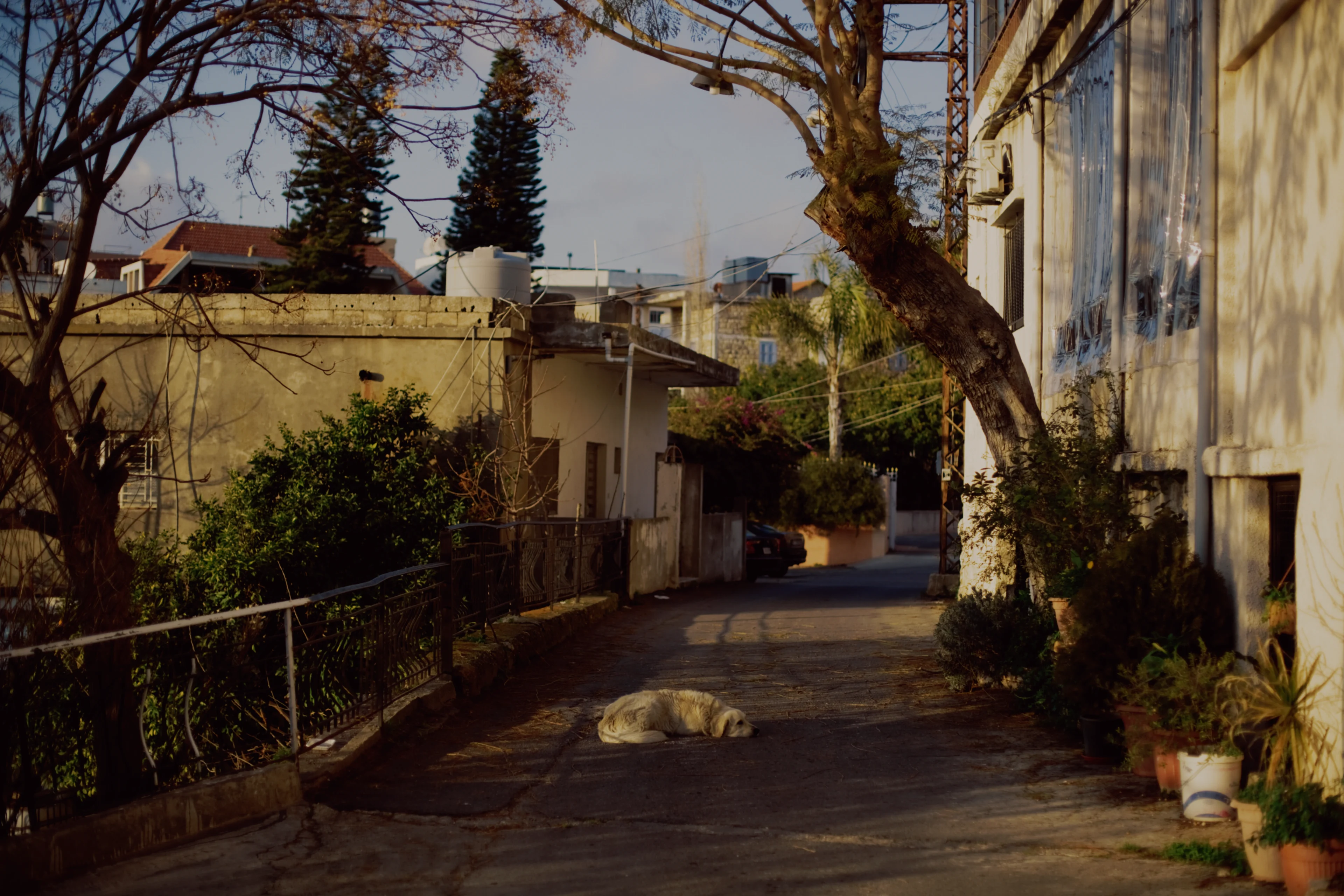
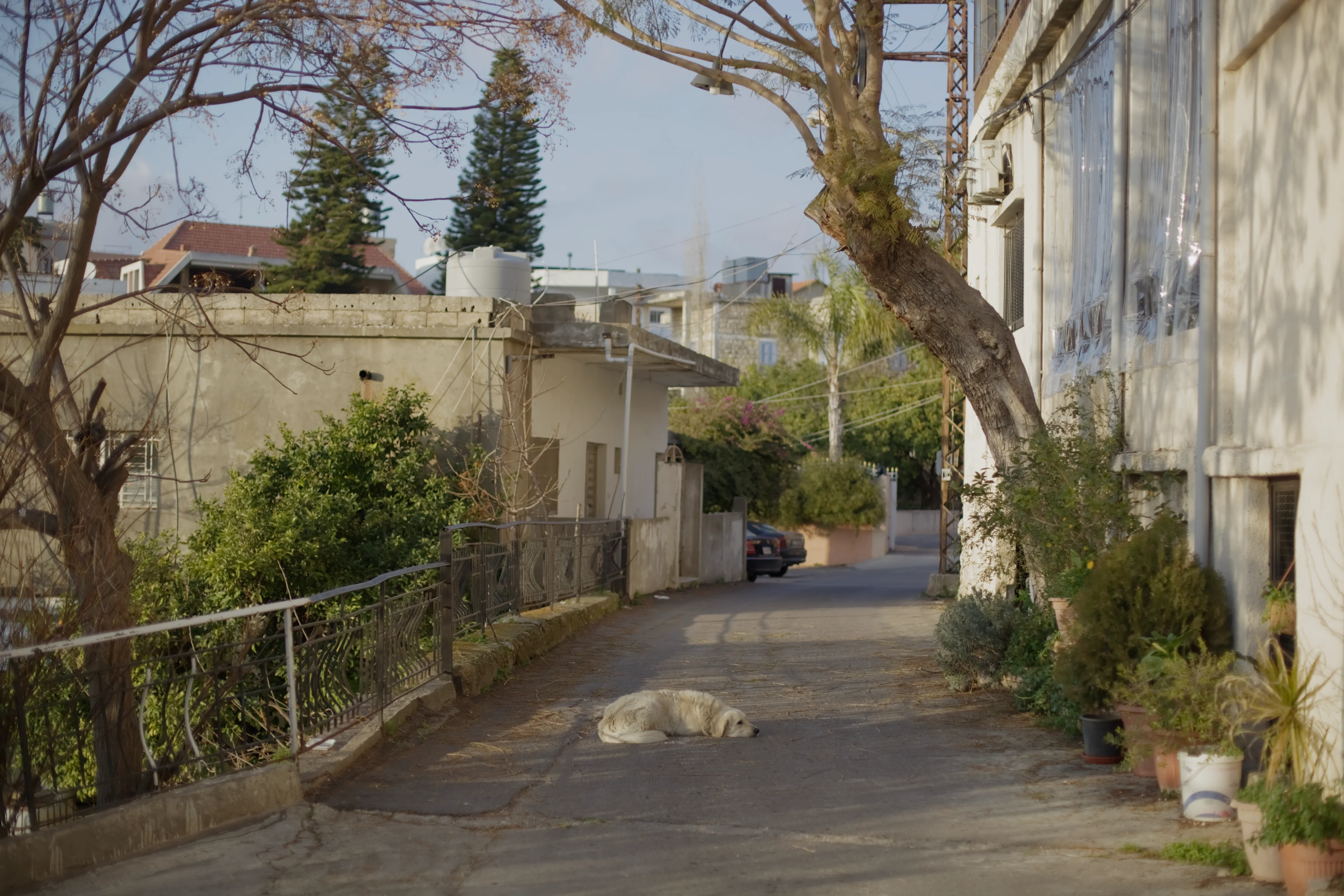
A carousel spinning in front of an old stone wall, developed on Fuji Pro 800Z
An older man walking past a sunlit wall carrying the shadows of two people and a fence, developed on Vision3 50D
A dog asleep in the middle of a village street in low golden light, developed on Provia 400F
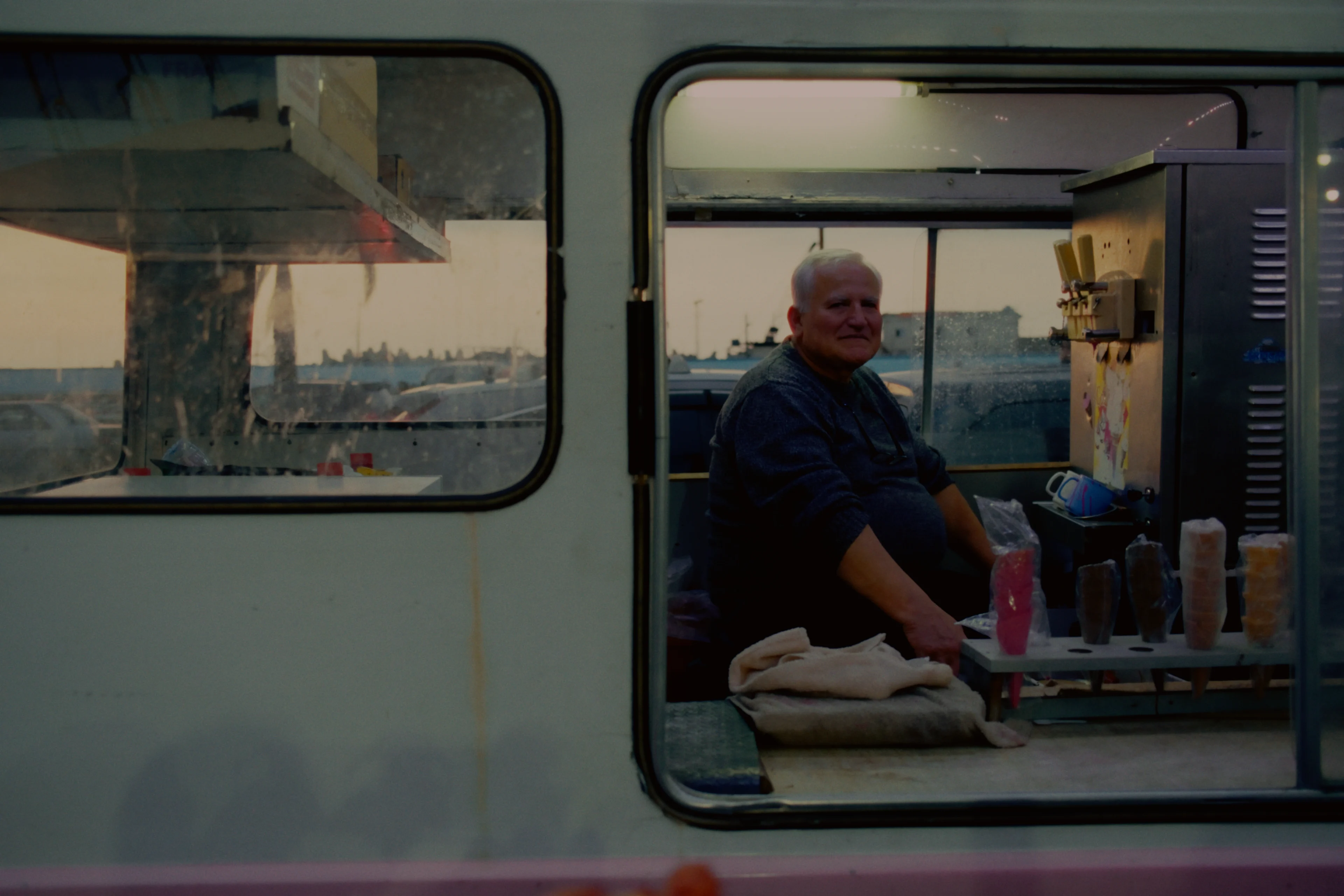
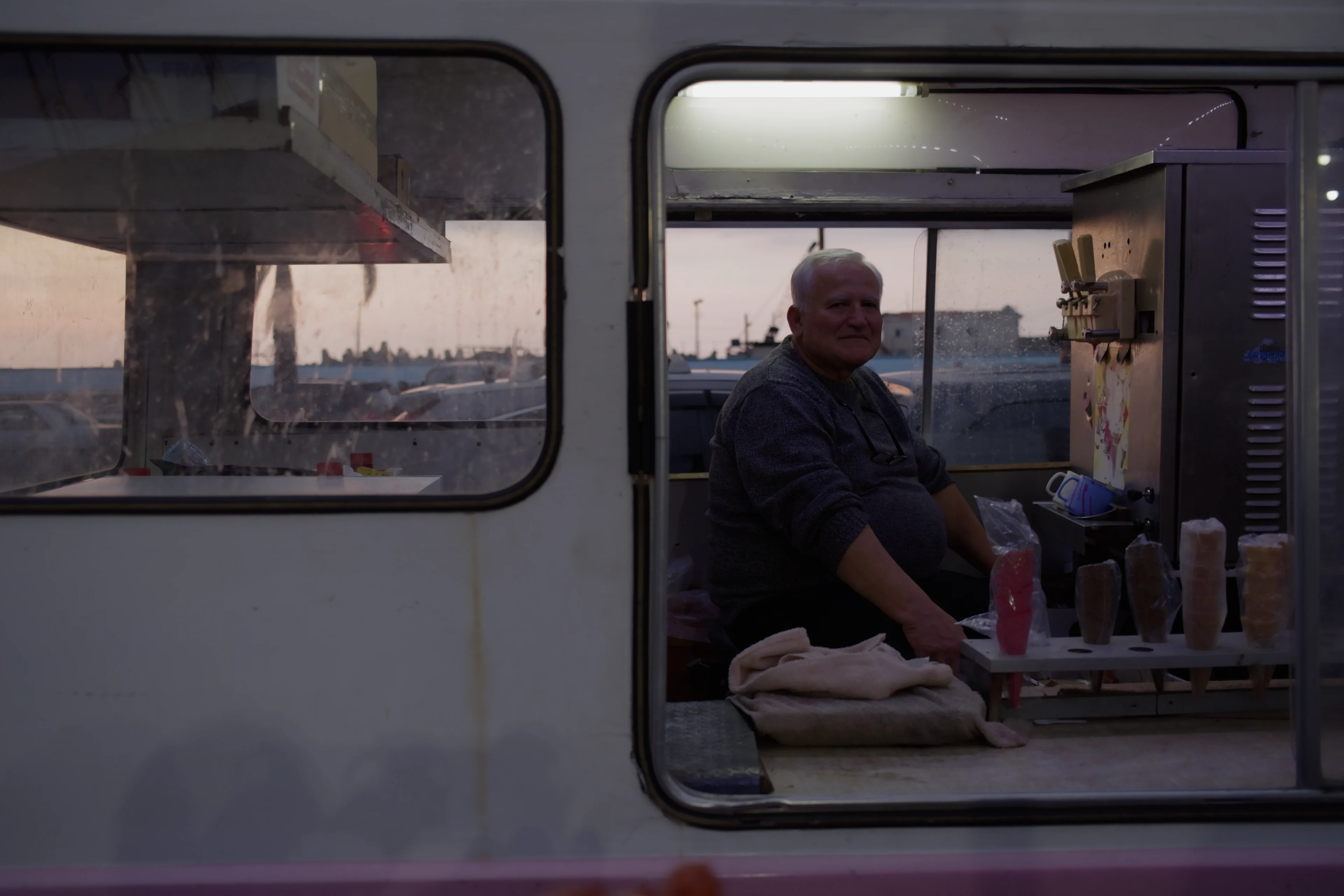
An ice cream vendor seen through the window of his truck at dusk, developed on Vision3 200T
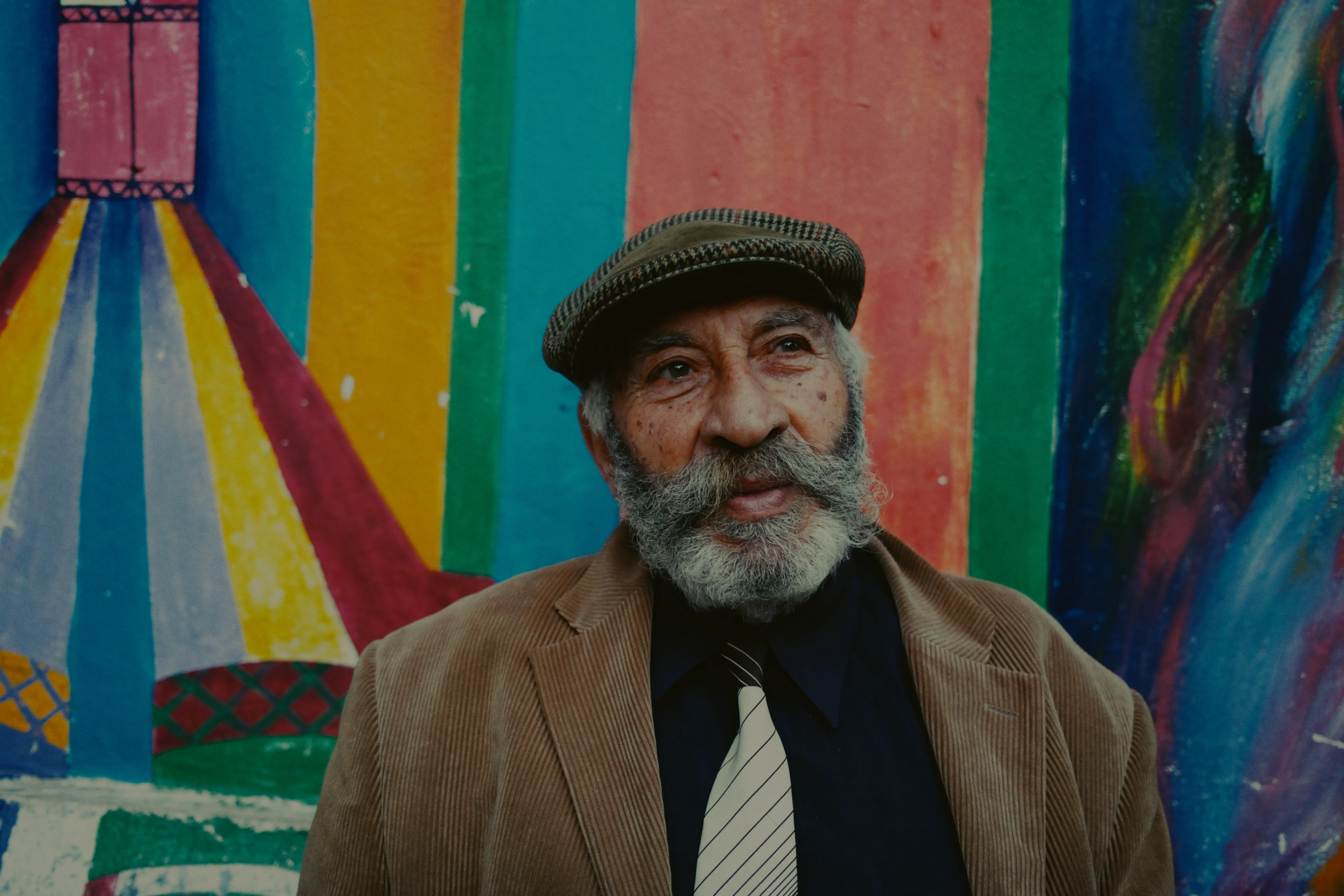
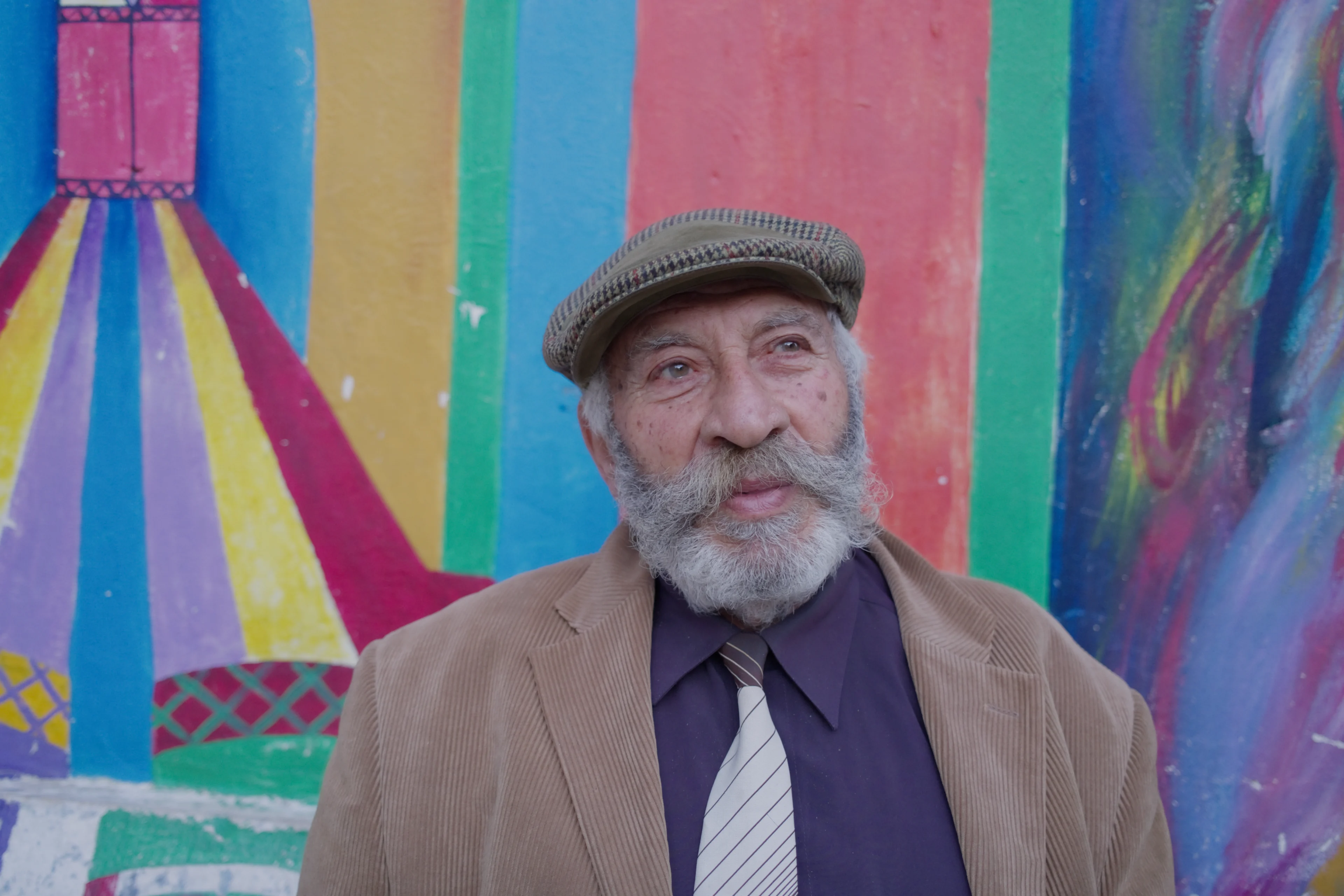
A man in a flat cap and corduroy jacket in front of a brightly painted wall, developed on Portra 400
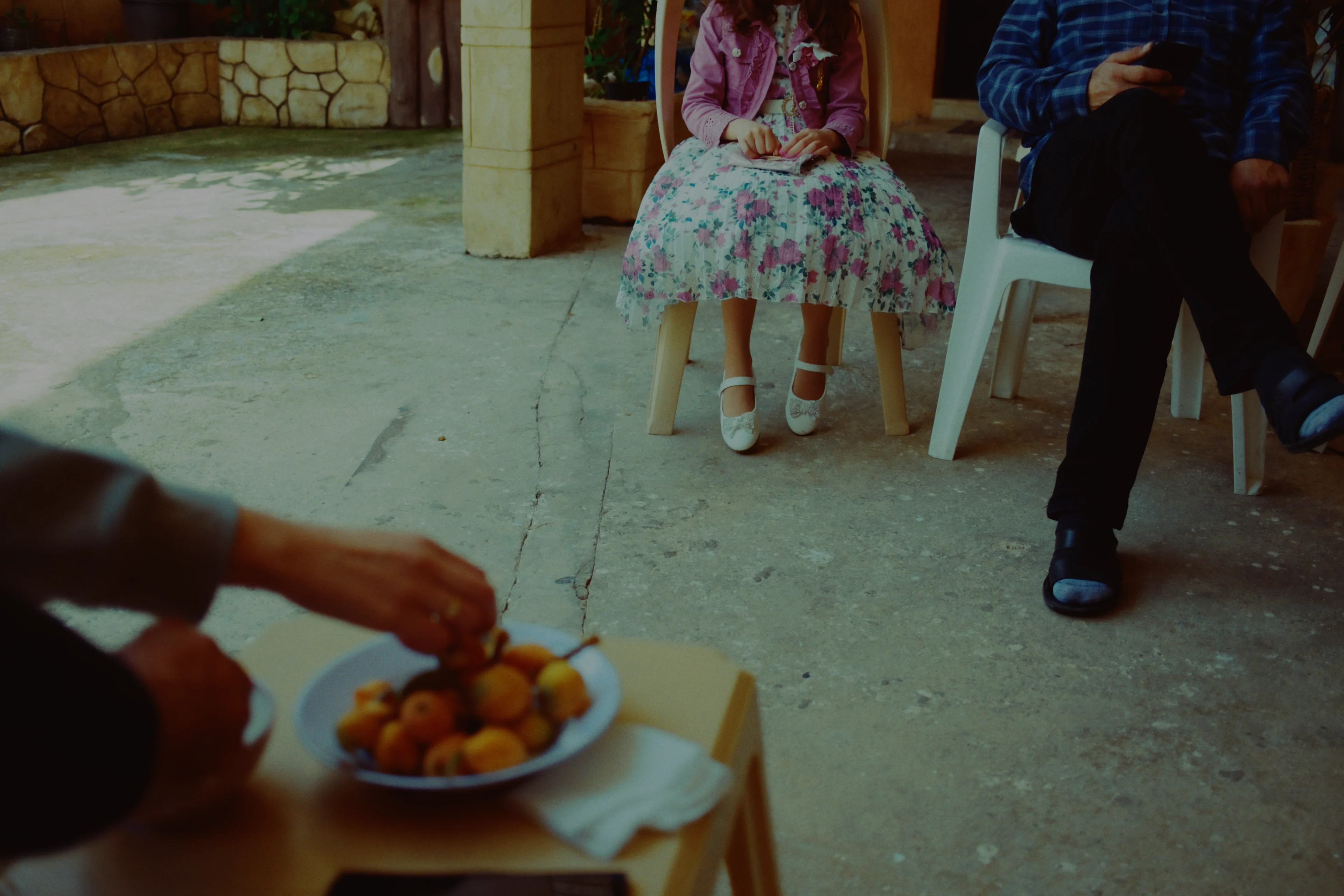
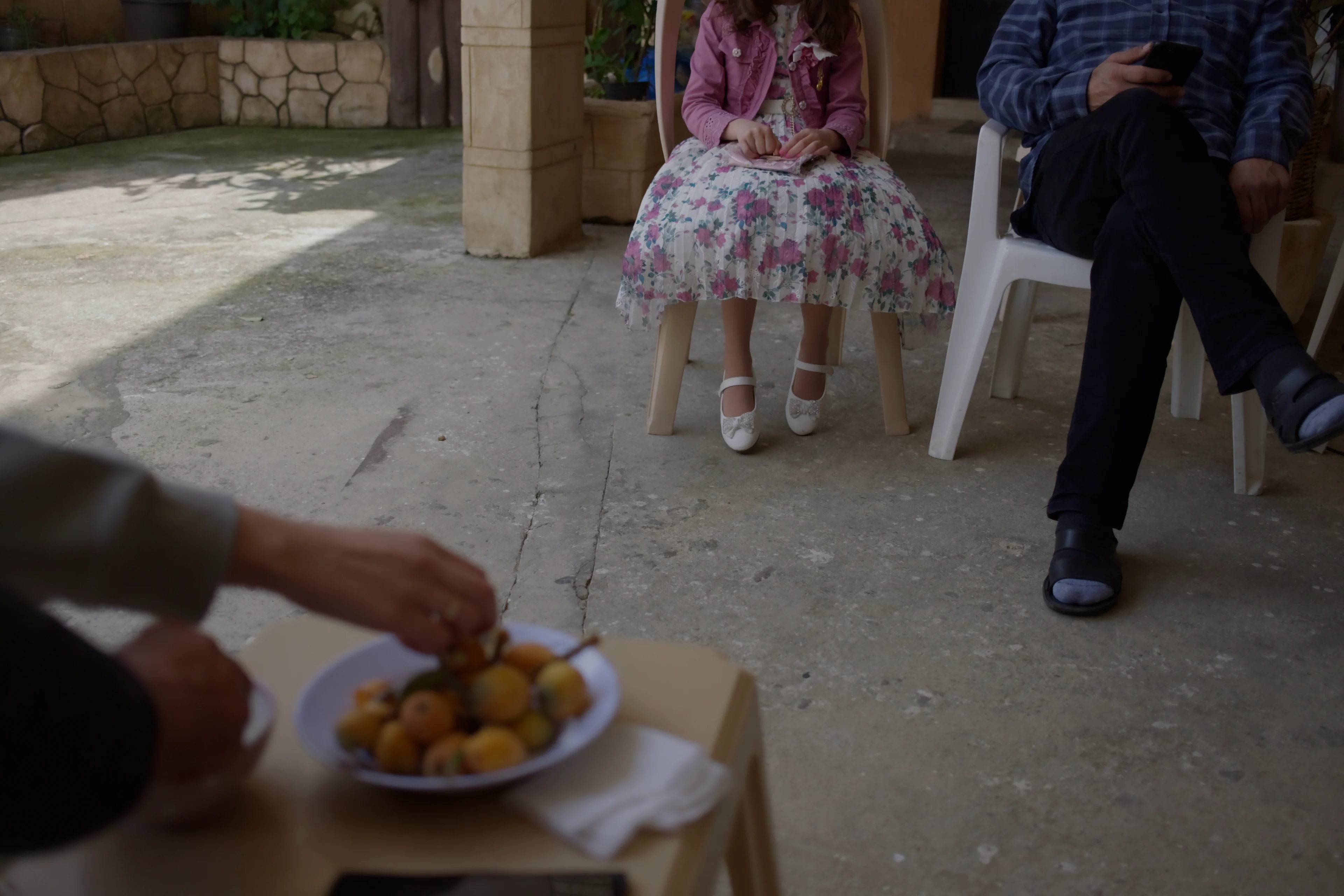
A family gathered in a stone courtyard, a bowl of loquats in the foreground, developed on ColorPlus 200

LATENT

A photographic developer for the digital age.

Fuji Pro 800Z, pulled one stop, on Crystal Archive Maxima Drag the seam · or tap a frame

Nothing rigid. Nothing binary. Everything interacts.

A photograph isn't a set of zones. It's one continuous field of light, highlights bleeding into midtones, shadows rising out of the dark, all of it overlapping.

Latent treats it the same way, not as zones to manage, but as one living thing, handled with kindness.

Develop, don't correct.

Every emulsion, its own character.

Real film and darkroom paper, modeled by how they actually behave — not presets, not filters. The film carries its own grain, colour and halation, then the negative prints onto real paper matched to its chemistry. The same choices you’d make in a lab.

The film
Portra 400
Kodak
Portra 160
Kodak
Portra 800
Kodak
Gold 200
Kodak
Ultramax 400
Kodak
Ektar 100
Kodak
HP5 Plus
Ilford
Tri-X 400
Kodak
Delta 3200
Ilford
Pan F Plus 50
Ilford
Provia 100F
Fuji
Velvia 50
Fuji
Superia 400
Fuji
CineStill 800T
CineStill
and more
The paper
Portra Endura
RA-4
Supra Endura
RA-4
Ultra Endura
RA-4
Endura Metallic
RA-4
Crystal Archive Supreme
RA-4
Multigrade FB Classic
Silver
Multigrade Warmtone
Silver
Multigrade Cooltone
Silver
Multigrade Art 300
Silver
Fomatone Classic
Silver
Forte Polywarmtone
Silver
Ilfochrome Classic
Cibachrome
Kodak 2383
ECP
Kodak 2393 Premier
ECP
and more

And five scans for the way film comes back from the lab (Noritsu, Frontier, Pakon, flatbed, DSLR).

Film. Light. Paper. Retouch.

Four stages, in the order you actually make a photograph. Source, interpretation, realization, mend.

Stage One · Origin

Film

Choose where the photograph comes from.

Start in Origin, Latent's own blend. Then put it through emulsion: forty-seven film stocks, five chemistries (C-41, ECN-2, E-6, K-14, B&W), five scanners. The negative develops, the enlarger prints, the paper holds the image. Halation, grain physics, push and pull, and a latitude indicator that reads off the stock you picked.

Stage Two · Interpret

Light

Bring the image forward.

Exposure, the four lights (Highlights, Shadows, Whites, Blacks), and a tone curve with L, R, G, B channels and a live histogram. Then Structure: Depth for how forms separate, Surface for the texture of skin and stone and fabric. Then Dye Density, four sliders that handle color the way film does (Intensity, Retention, Separation, Purity), never one flat saturation knob. And finally Color, an eight-channel densitometer plate over a rainbow strip. None of it as zones, all of it as one field.

Stage Three · Realize

Paper

Finish on a surface.

The Enlarger sets paper grade, contrast, and density. The Paper brings its own base and finish, with control over how the print settles into its blacks. The Wash is a split-tone that warms or cools shadows, midtones, and highlights on their own, a real darkroom toner. The Fall-Off burns light at the edges of the frame the way an enlarger naturally would. Texture lays a plate of real film grain (35mm, 16mm, 500T, 8mm) across the print. A Gallery Finish frame, if you want one. Then Deliver, Quick Export, or Export Catalogue for the whole batch.

Stage Four · Mend

Retouch

The polishing pass.

Spotting brush, clone stroke, the work you'd normally leave the app to do. After the print is realized, this is where you lift the dust, tidy the small distractions, and get the photograph ready.

The patient work.

Strike a test strip, pick the exposure, dodge and burn, split the grade. The Ritual keeps the part of the darkroom where prints are actually made.

One place, from import to print.

Latent carries a photograph the whole way, from RAW to a finished print, without ever leaving the app. Library, contact sheet, developer, retoucher, soft-proof, export. It's all in here.

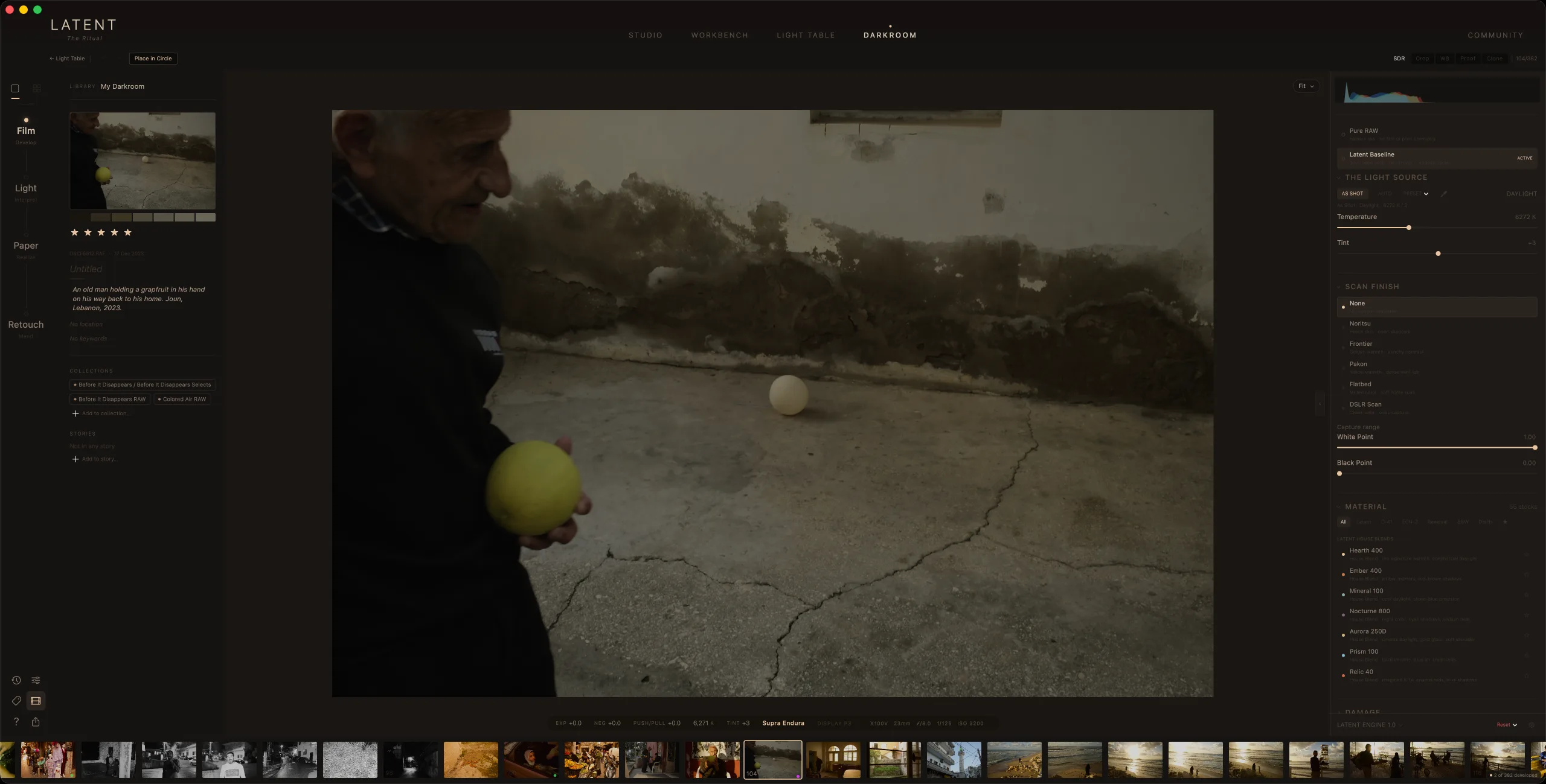
Latent the Ritual, Studio
Latent the Ritual, Workbench
Latent the Ritual, Light Table
Latent the Ritual, Darkroom
Studio
Where your work lives, over time.
Workbench
Resume where you left off.
Light Table
Sort, rate, sequence, decide.
Darkroom
Develop. Retouch. Proof. Print.

Bring your whole library with you.

Switching from Lightroom or Capture One? Your ratings, labels, keywords and captions come over. Your photographs start fresh, as negatives.

The Catalog Bridge, choosing a Lightroom or Capture One catalog to read
Point it at your catalog.
The Catalog Bridge receipt, showing every photograph accounted for and the source catalog left unmodified
Get back an honest receipt.

The arrangement is the story.

One photograph is a frame. A sequence, paired into spreads, paced with breath pages, opened with a cover, becomes a photo essay. You build it in the Light Table, and it reads like a book.

Then it breathes.

Latent
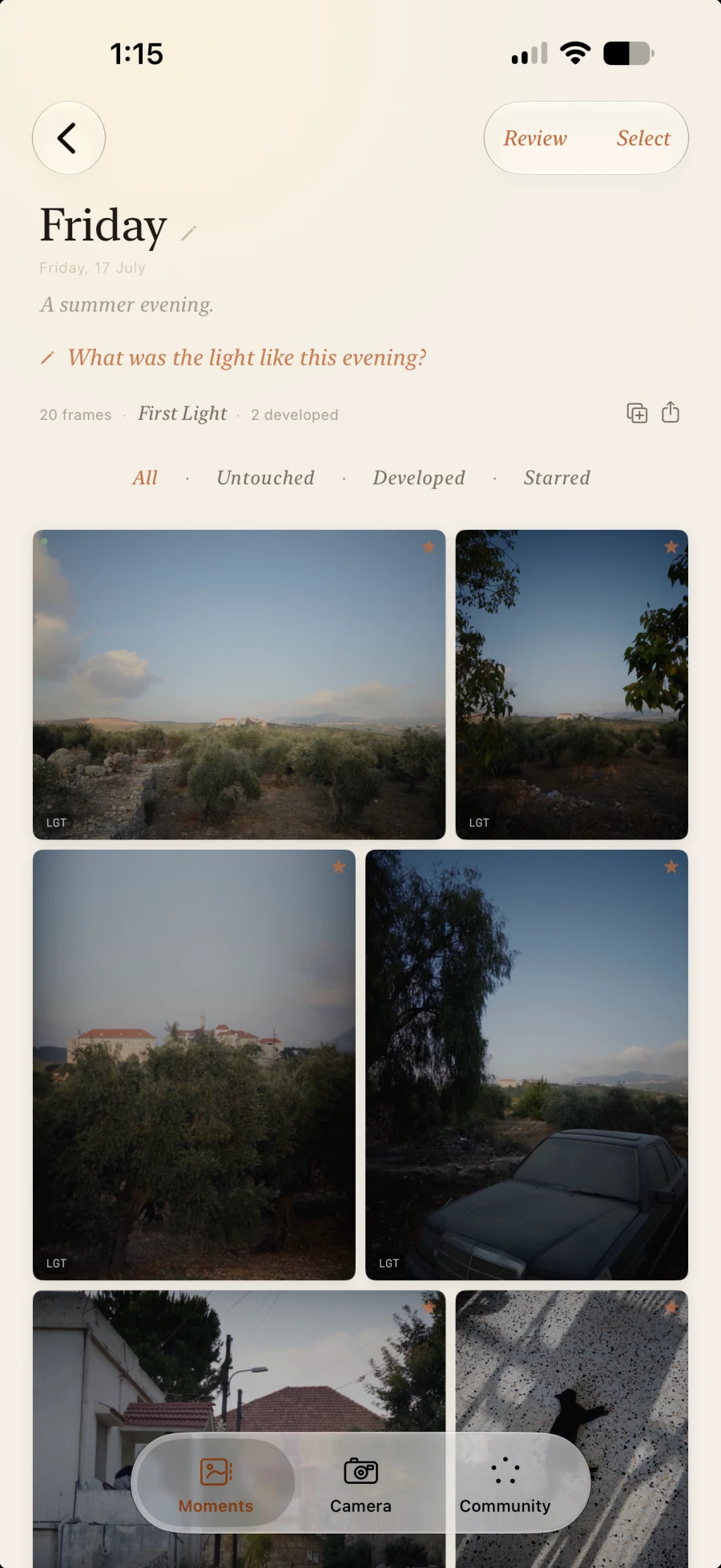
The Moment

A photographer's journal, on iPhone.

The Ritual is for the photographs you sit with. The Moment is for the ones you catch in passing. Same engine, different instrument.

Step inside

The darkroom, wherever you work.

Ritual on Mac and iPad. Moment on iPhone.

Latent Suite · Monthly
$14.99
per month

Ritual on Mac and iPad, plus Moment on iPhone.

Notify me at launch
Moment · iPhone
$4.99
per month, or $39.99/year

A focused iPhone darkroom for developing photographs in the moment.

Notify me at launch

Latent Suite annual renews at $149/year after the founding launch period.

At launch: a 14-day free trial, no credit card required.