The Lab
Develop the negative. Print the frame. Inside Resolve.
Latent develops a photograph the way a darkroom does: it builds a negative and prints it onto paper. The Lab does the same to motion: every frame of your timeline, on the GPU, in real time.
Graded in DaVinci Resolve with Latent
See the film, not just a slider.
Each frame is developed through a different film. Click RAW to see the decoded source it came from. Pick a frame below; hold RAW and step between them to watch what the engine adds.
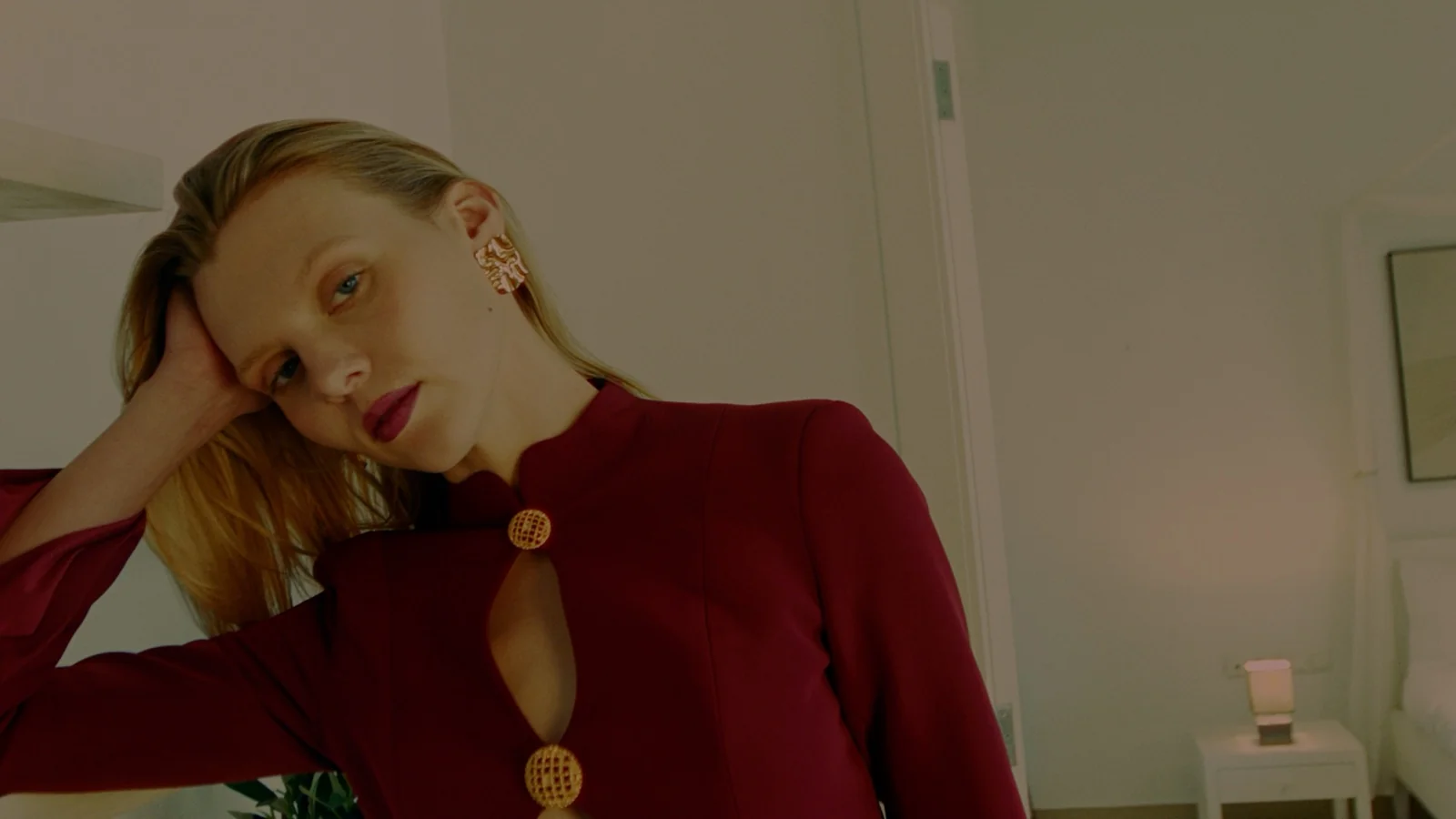
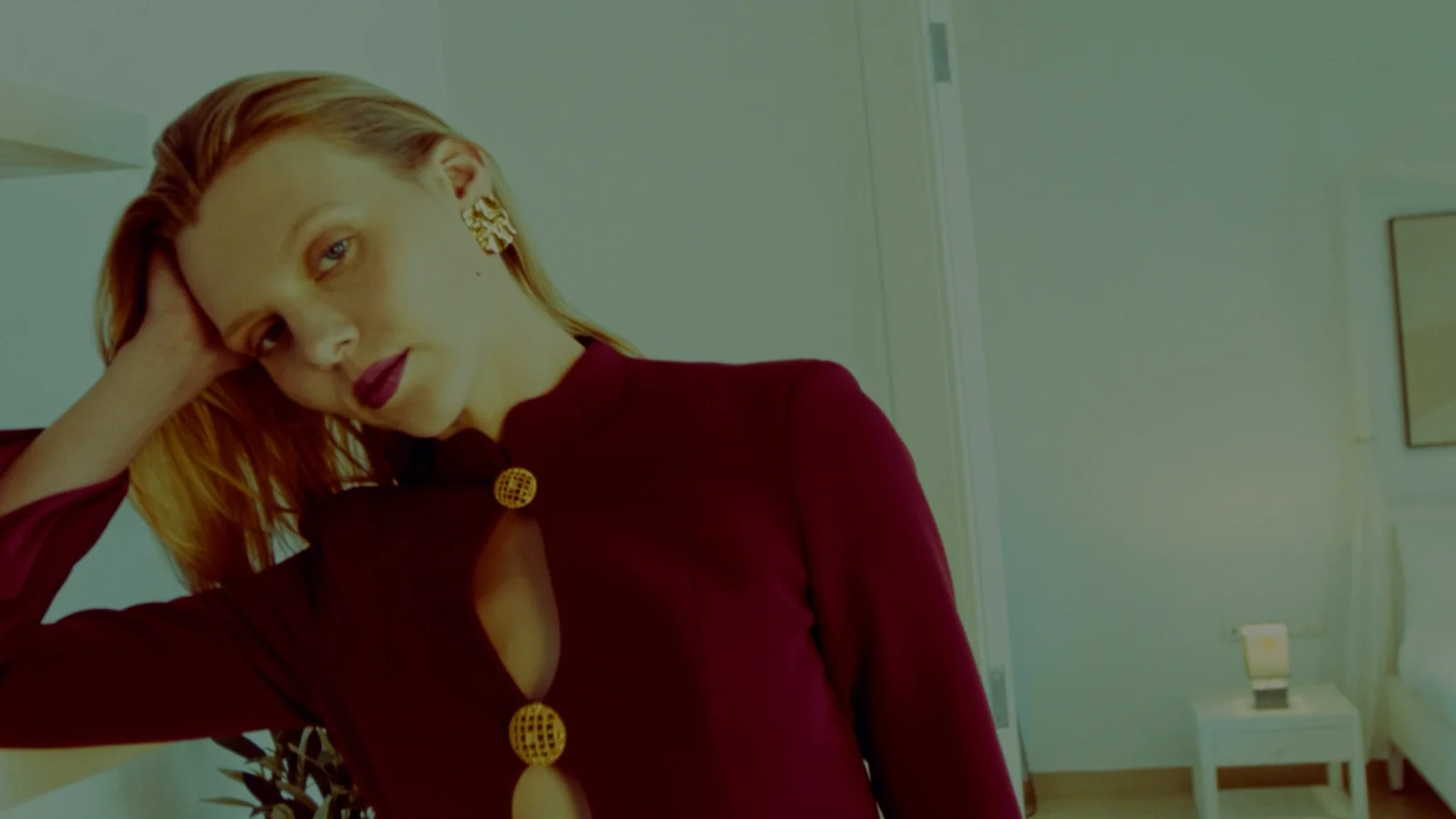
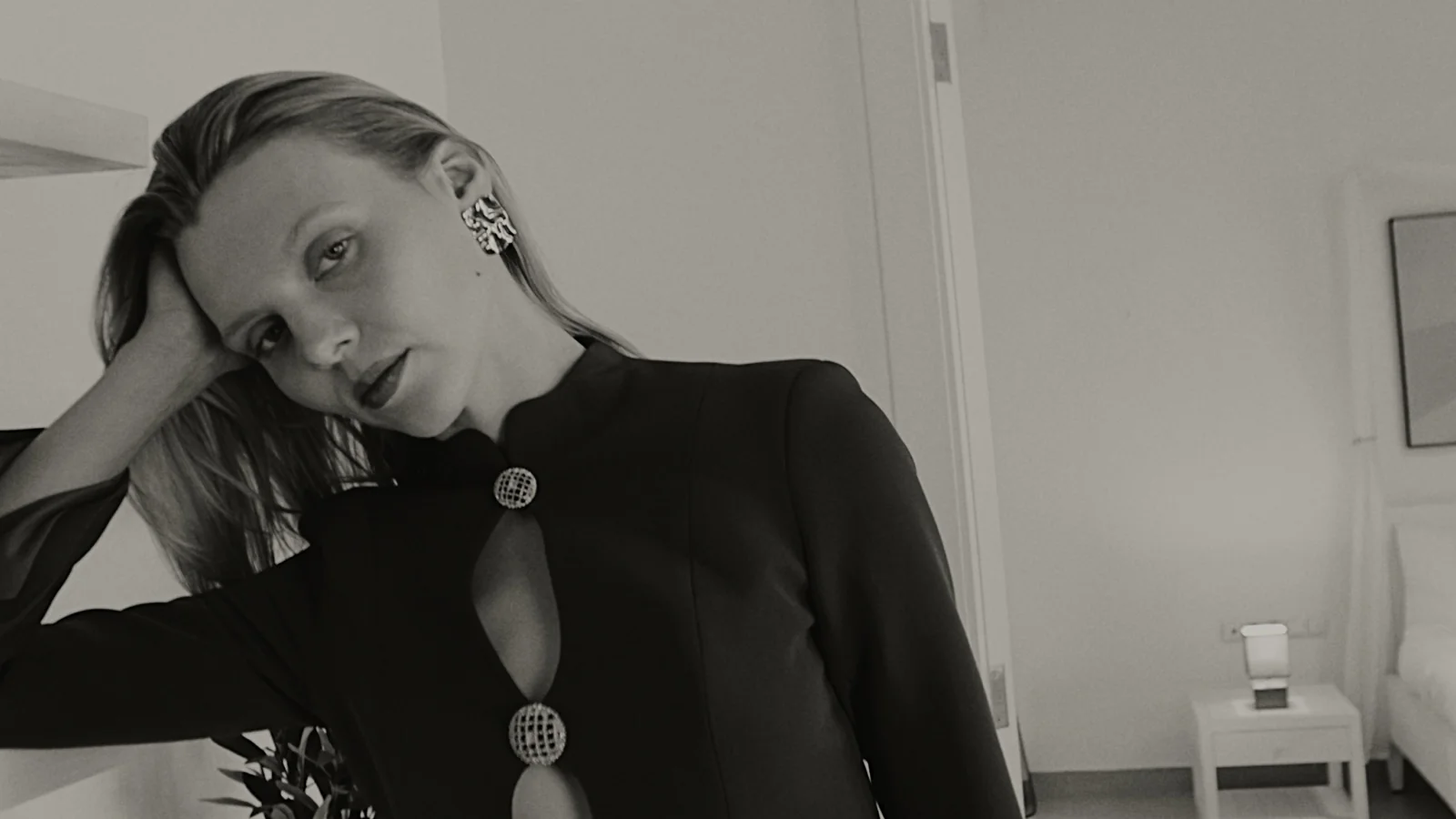
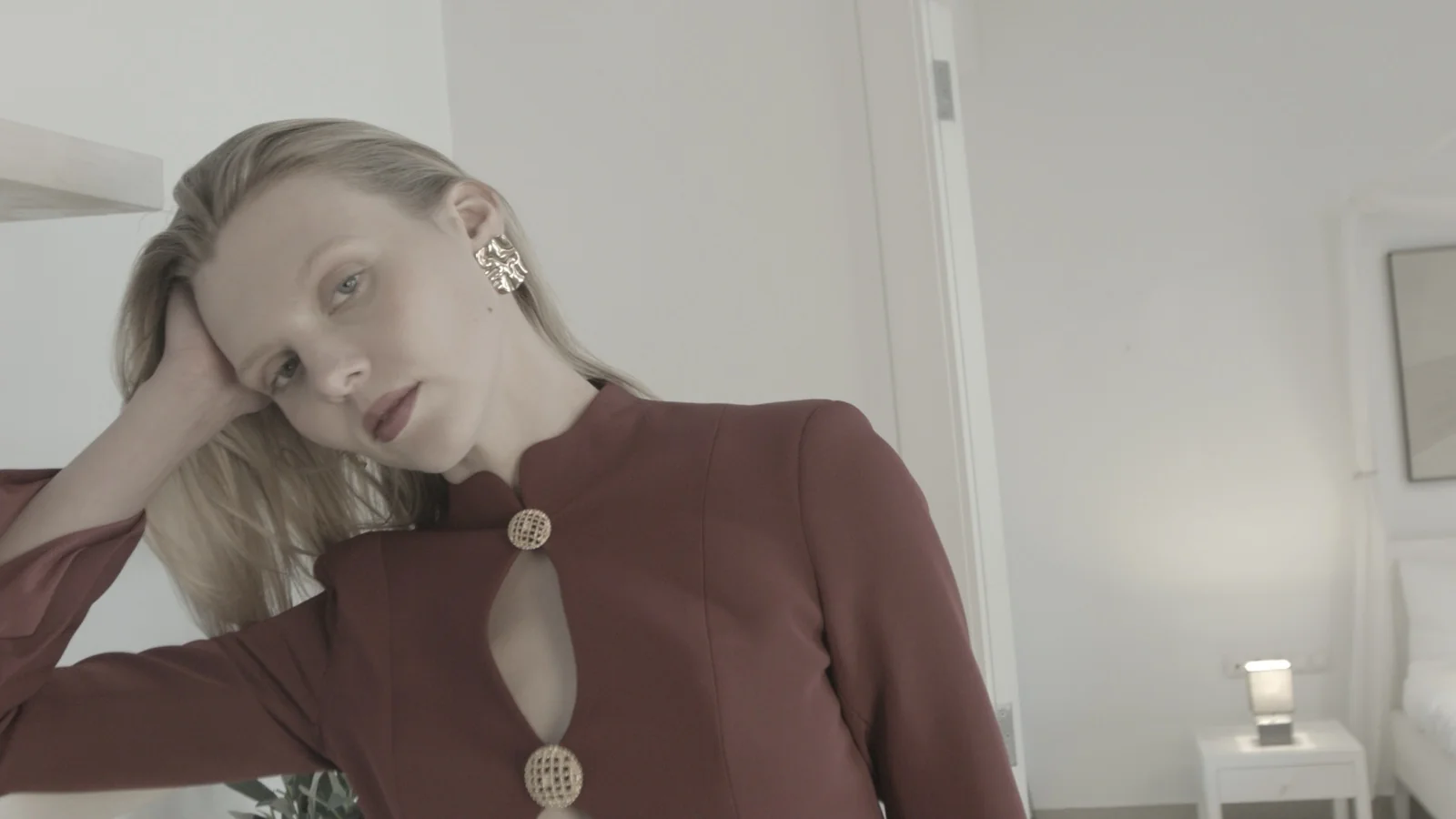
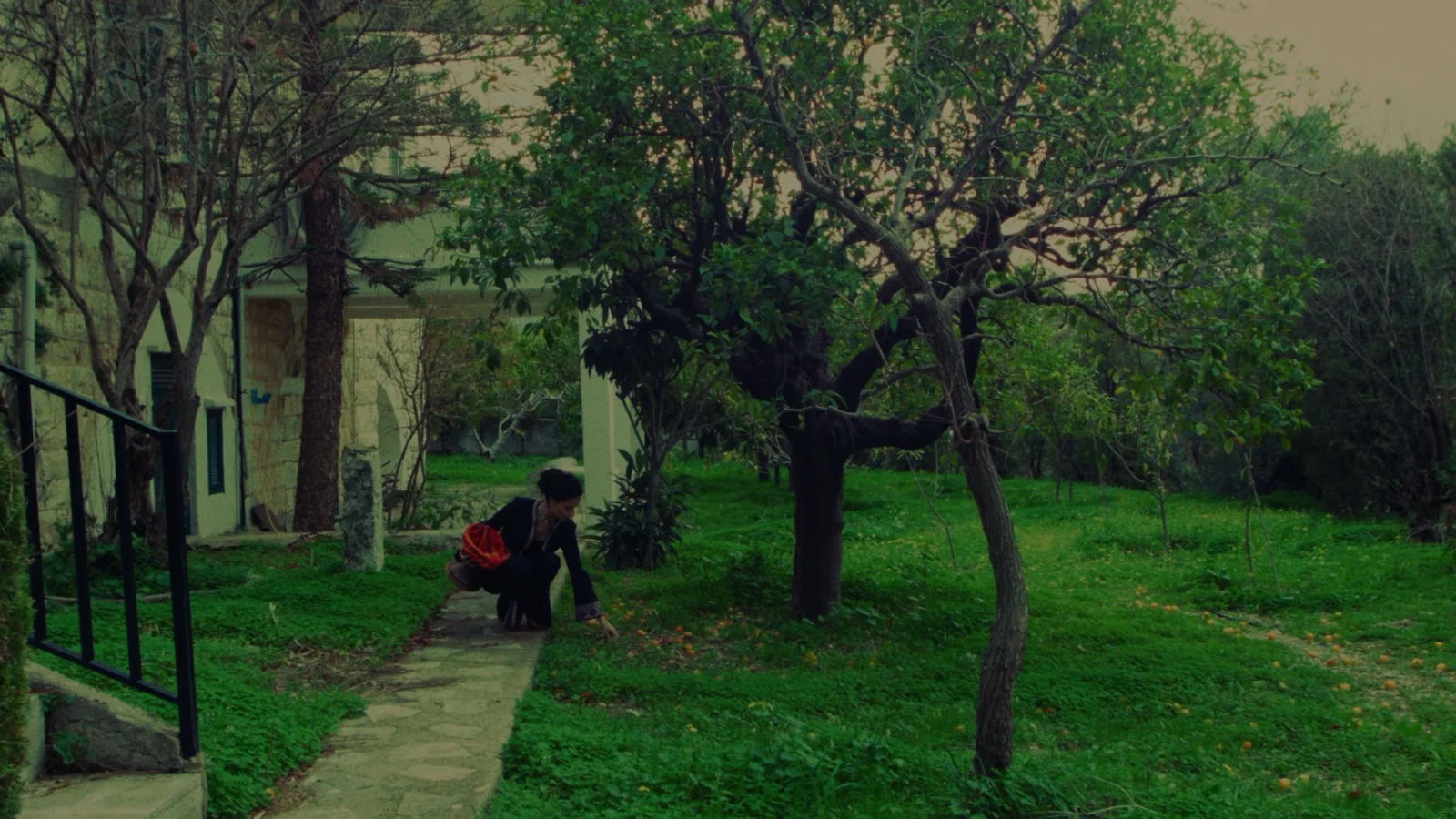
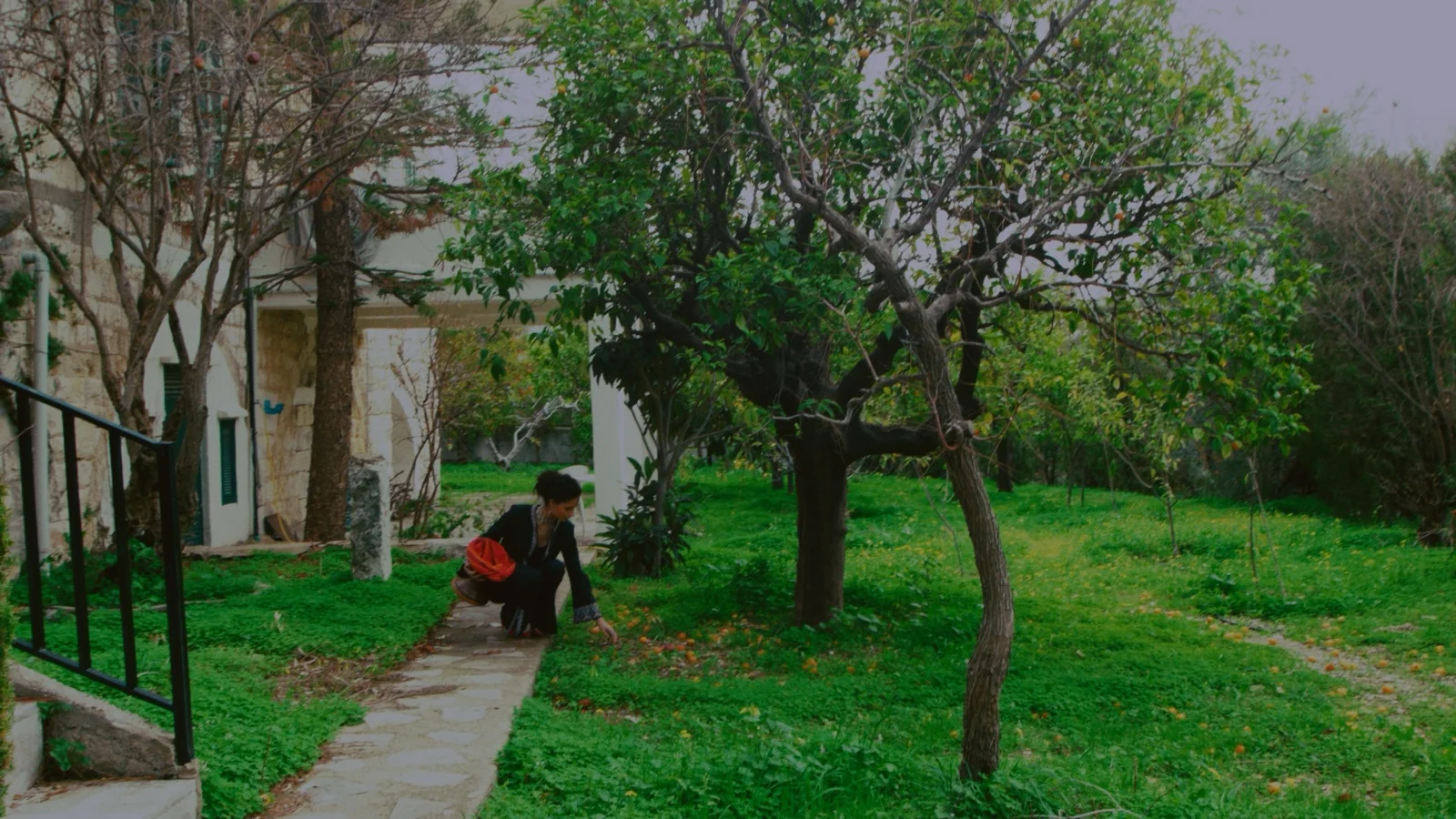
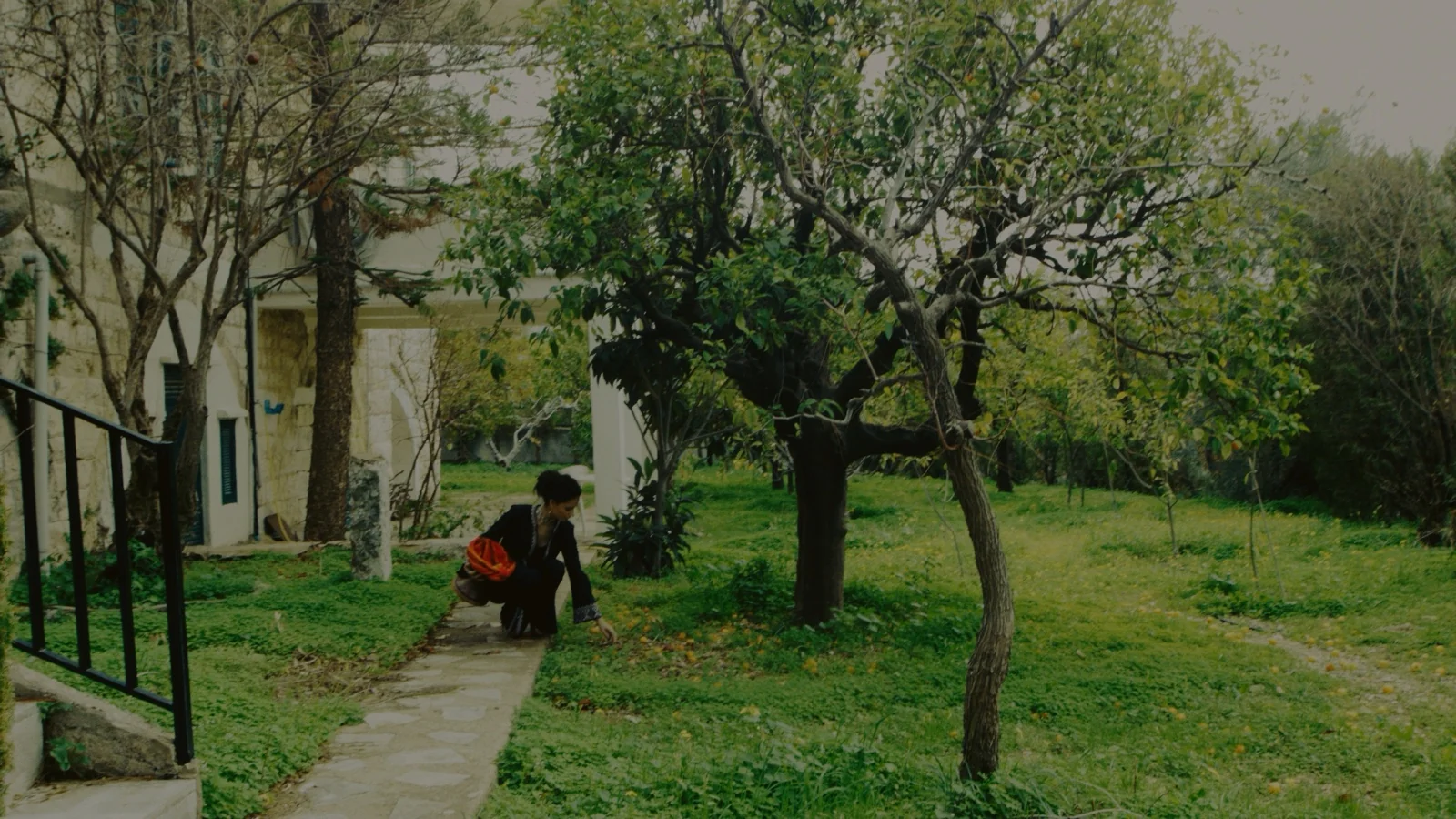
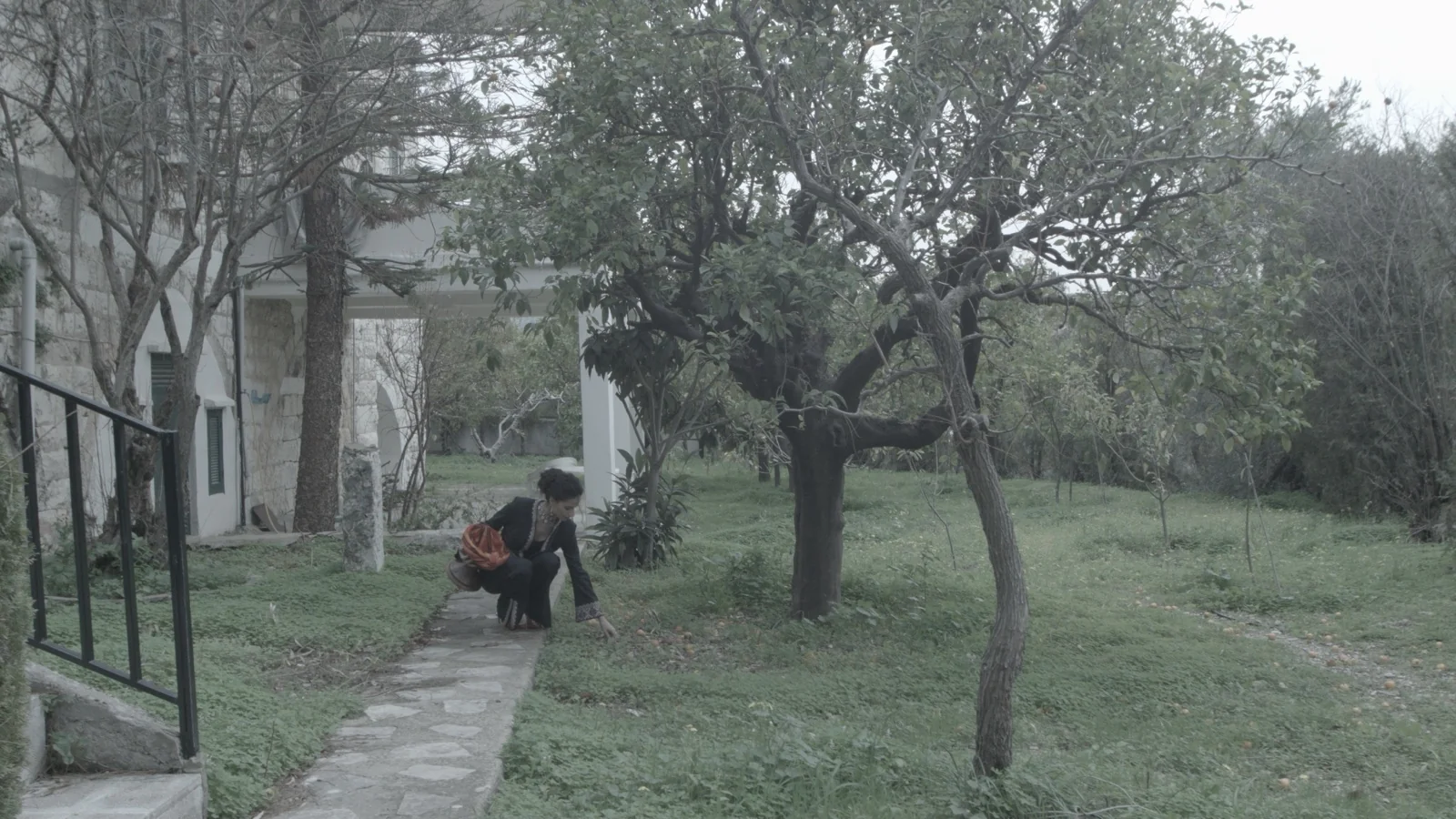
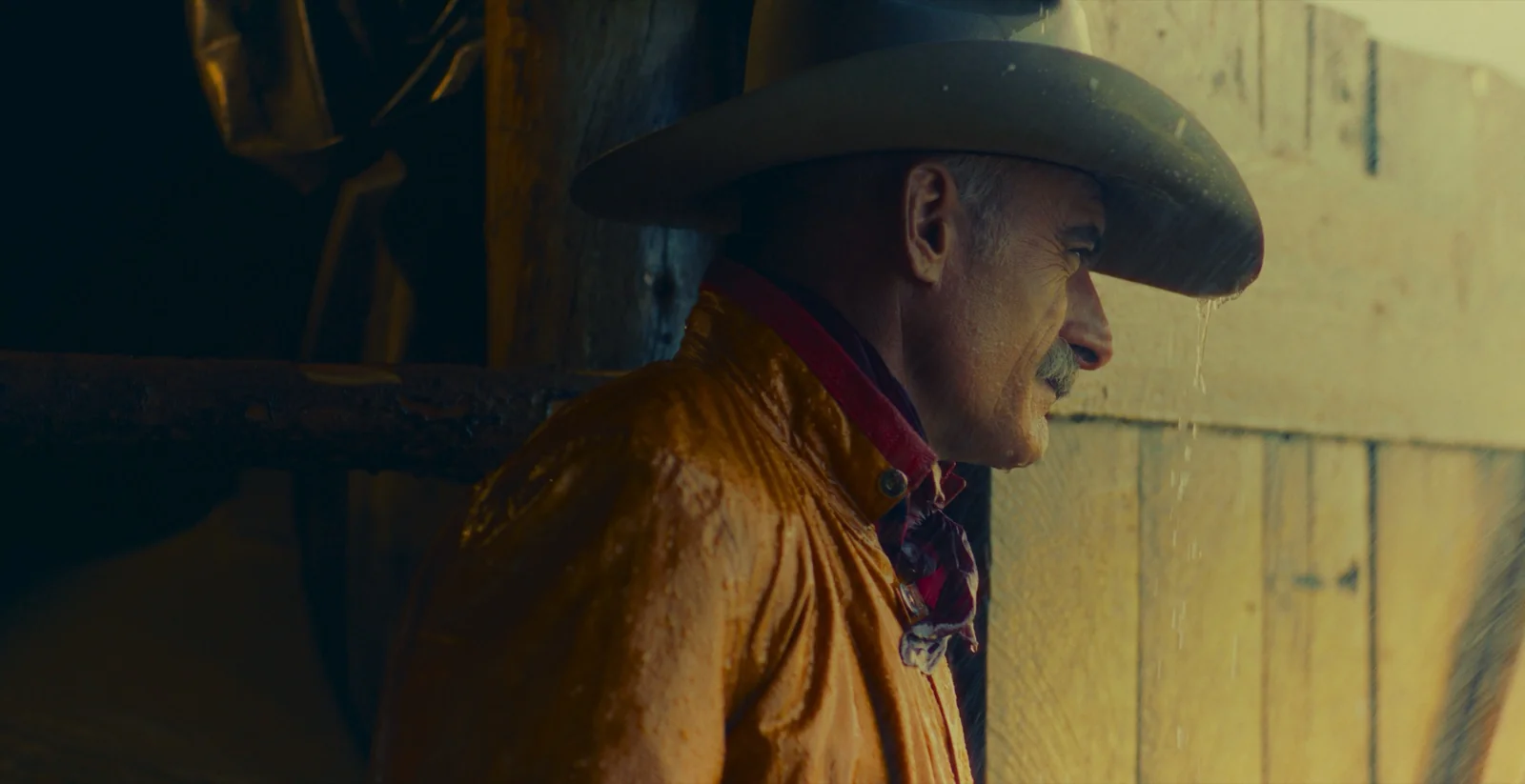
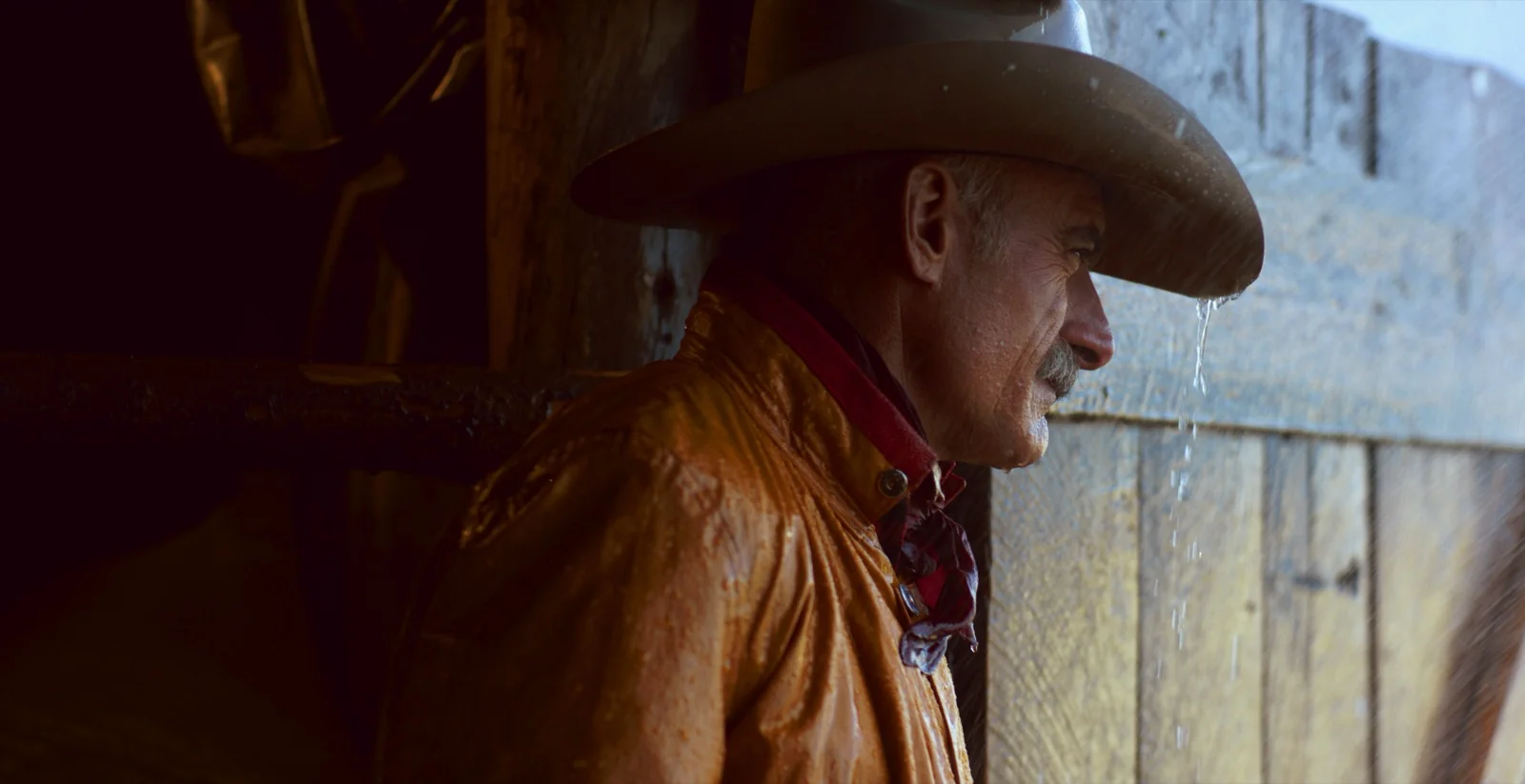
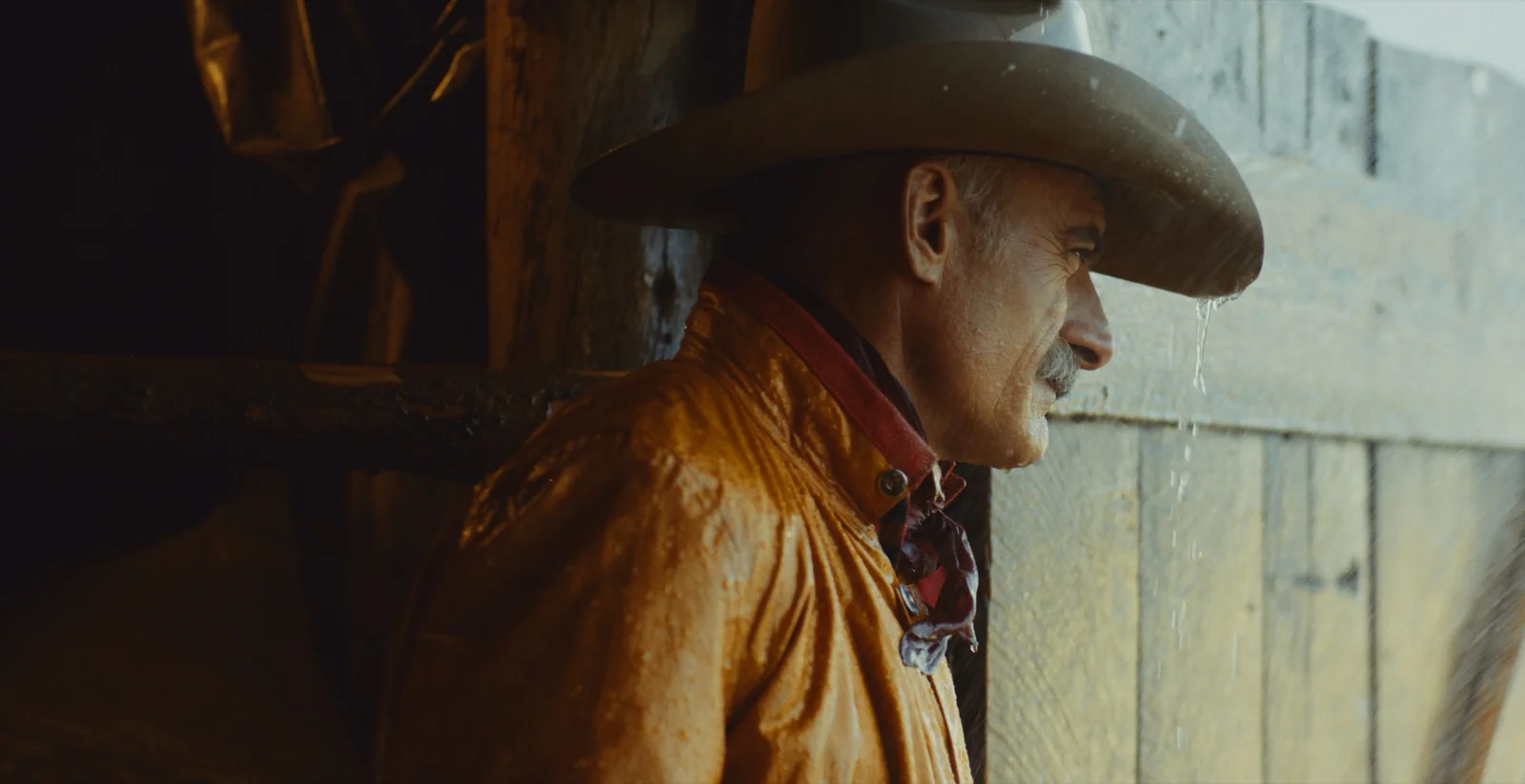
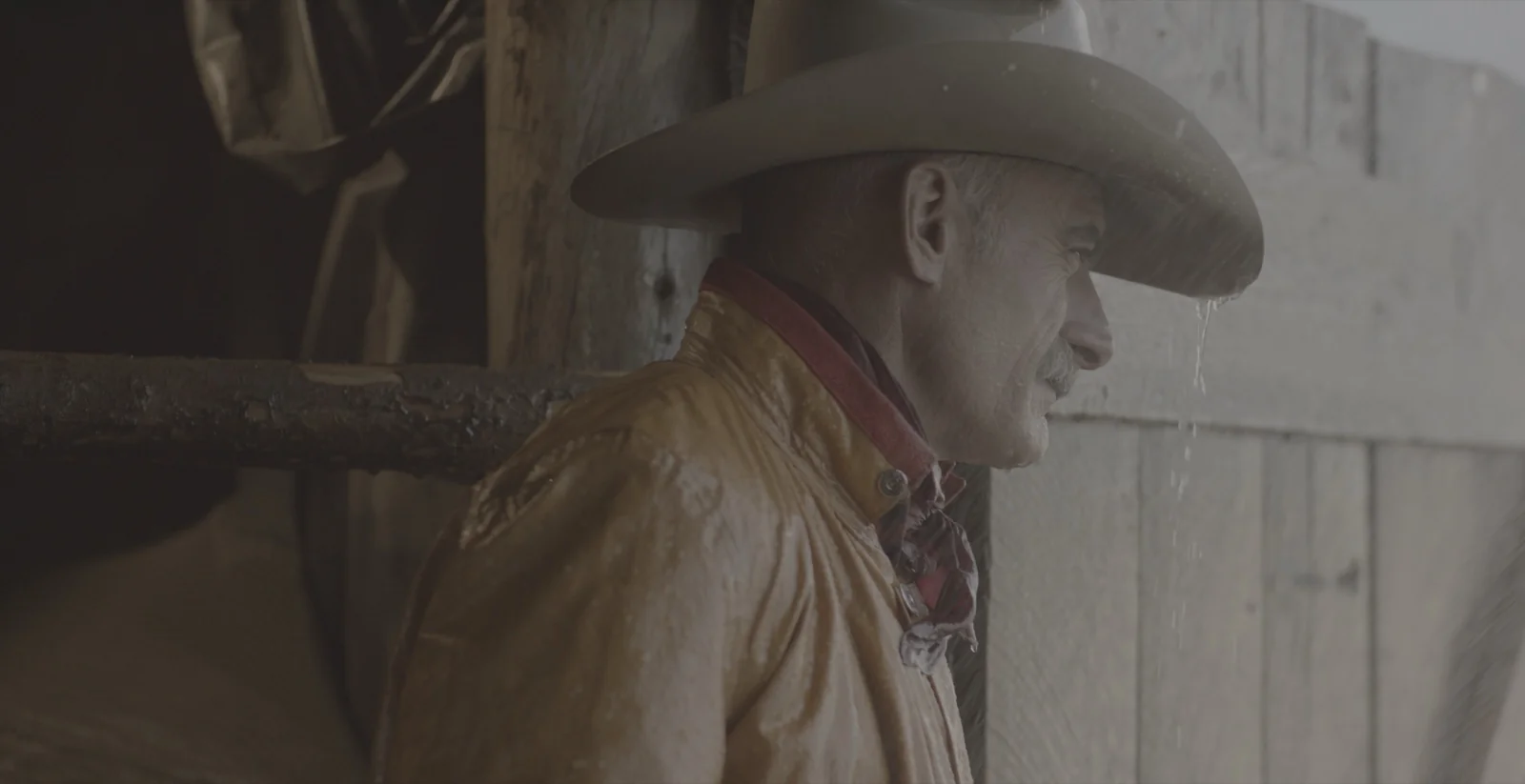
The whole lab, in a single node.
No node tree, no LUT juggling. Decode your RAW or log to a supported camera log and gamut, choose the matching Camera Profile, and Latent carries it through: negative, print, scan, texture. Then it hands back the delivery space you need.
matching Camera Profile
DWG · ACES · P3
All inside one OpenFX node.
Nine stations, lens to projector.
Tag the working space (ACES, DaVinci Wide Gamut or Rec.709) or ingest camera log straight from ARRI, Sony, RED, Blackmagic or Apple Log, so the engine develops in the right math. Output to Rec.709, DWG, ACES, P3 or Rec.2020, with diagnostic views at each step.
- Managed or camera-log in
- 10 camera profiles
- Diagnostic views
Optical diffusion before the film even sees the light, mist, bloom and veil, thresholded in EV so only the highlights flower.
- Mist · Bloom · Veil
- Highlight threshold
Pick a process (C-41, ECN-2 cinema, reversal or B&W silver), then the stock within it. Expose, push or pull, even bleach-bypass.
- 4 processes · 47 stocks
- Exposure · Push/Pull
- Bleach bypass
Print onto the right medium: RA-4 color paper, a cinema release print, a slide view, or silver gelatin, with darkroom toning on B&W.
- Color · cinema · slide · silver
- Sepia · selenium · gold · copper
- Print exposure · grade
The enlarger head: density, grade, dichroic yellow/magenta filtering, preflash and split-grade, plus dye response and a three-zone color wash.
- Dichroic filters · preflash
- Split-grade
- Dye response · color wash
Digitize it the way a lab would (Noritsu, Frontier, Pakon, flatbed, DSLR, a clean DI, or a Cintel / Spirit telecine), each with its own character.
- 8 scanner & telecine looks
- Sharpness · lens blur
- White / black correction
Burn the edges down like an enlarger, and shape acutance, coarse and fine detail, size and edge balance.
- Edge burn · vignette
- Acutance · fine detail
A real halation model and a grain engine that actually moves, size, film format, organic structure, plus motion and boil so grain lives frame to frame. And a dust pass: specks, hairs, scratches and gate dirt, seeded so they move like a real print.
- Halation model
- Animated grain · boil
- Dust · scratches · gate dirt
The mechanical life of film through a gate, weave, flicker and breathing, on a chosen gate plate, so motion feels projected, not pristine.
- Gate weave · breathing
- Flicker · speed
- Gate plate
The same emulsions, profiled spectrally.
- Portra 400
- Ektar 100
- Portra 160
- Portra 800
- Gold 200
- ColorPlus 200
- Pro Image 100
- Fuji Pro 400H
- Superia 400
- Pro 800Z
- Superia Reala
- CineStill 800T
- CineStill 400D
- Ultramax 400
- Agfa Vista 400
- Agfa Vista 100
- Agfa Vista 800
- Agfa Ultra 100
- Agfa Portrait 160
- Agfa Optima 400
- Agfa Optima II 400
- Royal Gold 100
- Fuji Pro 160S
- Fujifilm 200
- Konica Pro 160
- Portra 400 VC
- Vision3 500T
- Vision3 250D
- Vision3 50D
- Vision3 200T
- Vision2 Express 500T
- Velvia 50
- Provia 100F
- Ektachrome E100
- Kodachrome 64
- Provia 400X
- Provia 400F
- Astia 100F
- Ektachrome 100 EPN
- Ektachrome 100D
- Tri-X 400
- HP5 Plus
- T-MAX 400
- Acros 100
- Delta 3200
- Pan F Plus 50
- FP4 Plus
You don't print Tri-X on color paper.
Choose a stock and the View Path follows it. A color negative offers RA-4 papers; a black-and-white stock offers silver gelatin; motion film prints to release stock; reversal stays transparent.
12 papers, Portra & Supra Endura, Fuji Crystal Archive & Supreme, Ektacolor, Endura Metallic…
5 looks, Kodak 2383 & 2393, Agfa CP30, Fuji ETERNA-CP, plus a straight ECN-2 scan.
5 views, lightbox, Ilfochrome Classic CLM / CPS, and two cross-processed RA-4 looks (E100 / K64).
9 papers, Ilford Multigrade IV RC & FB, Foma Fomatone, Forte Polywarmtone, plus sepia, selenium, gold & copper toning.
A GPU pipeline built for real-time playback, not a bake-and-wait filter.
Tag your source (DaVinci Wide Gamut, ACEScct, ACEScg, Rec.709) or ingest camera log straight from ARRI, Sony, RED, Blackmagic or Apple Log, and the engine develops in the right space.
OpenFX → Filters → Film Emulation → Latent Print Engine. Drop it on a clip or an adjustment layer.
The same negative-to-print core as the Ritual on Mac and the Moment on iPhone, now on your timeline.
The Lab for DaVinci Resolve.
Both include the Latent OFX plugin and a one-person license, for personal or commercial work alike.
The annual plan includes updates while the subscription is active. The perpetual license includes all 1.x updates.
The Lab is still in development. When checkout opens, it runs through Paddle.
Latent apps for Mac, iPad, and iPhone are sold separately through Apple's App Store.
It isn't finished yet.
I'm building the Print Engine now, in Joun. Leave your email and I'll write you the day it's ready to drop into Resolve, nothing else.
That email doesn't look right.
You're on the list. I'll be in touch the day it ships.